{Tree Removal 101: How to Identify When to Cut Down a Tree}
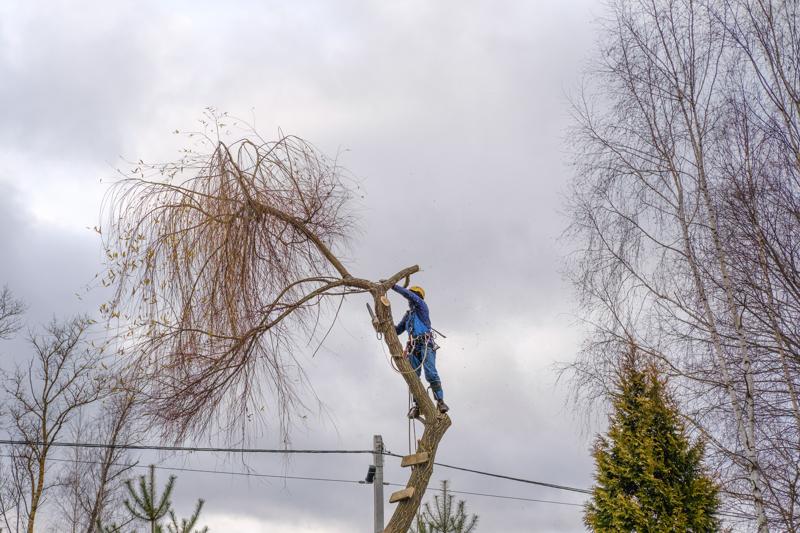
Tree removal is a difficult and potentially hazardous task. If a tree has died or diseased or is in danger of falling, it might require removal in order to protect property and ensure safety. How do you know whether a tree should be cut down? In this article, we’ll guide you through the signs to look out to and assist you figure out whether it’s time to call in the experts.
Dead or dying trees
One of the most evident signs that a plant must be taken down is if it’s dying or dead. Dead trees are without leaves and could appear lifeless. If a tree doesn’t have leaves or signs of growth, it’s probably dead. In addition, the bark of a dead tree might be dry, cracked, or peeling.
Trees with diseases
Diseased trees could pose a danger to other plants and trees in the surrounding area. Common signs of disease for trees include dying leaves, wilted or yellowed branches, and mushroom growth at the base or the trunk. If you suspect your tree is suffering from disease it is important to get it checked by a professional arborist.
Leaning Trees
TreesLeaning trees to one side can be an indication it is a sign that the roots are failing, and the tree may be in danger of falling. To identify if a leaning tree could be a threat, check for cracks or breaks in the trunk and look into the soil around the tree’s base. If you notice any of these signs, it’s best to have the tree evaluated by an arborist.
Overhanging Branches
The branches of overhanging trees that are in close proximity to power lines or structures can pose a risk to the safety of your property and personal safety. If you have concerns about branches hanging overhanging, it’s best to have the tree evaluated by an arborist who can determine if pruning or removal is necessary.
FAQs
How can I tell whether a tree is dead?
An individual tree can be said to be dead when it lacks leaves and has no evidence of new growth. The bark of a dead tree can be dry, cracked or peeling.
What are the symptoms of a diseased tree?
The most common signs of disease on trees include dying leaves, wilted or yellowed branches, and mushroom growth at the bottom of the tree.
Is it safe to remove a tree yourself?
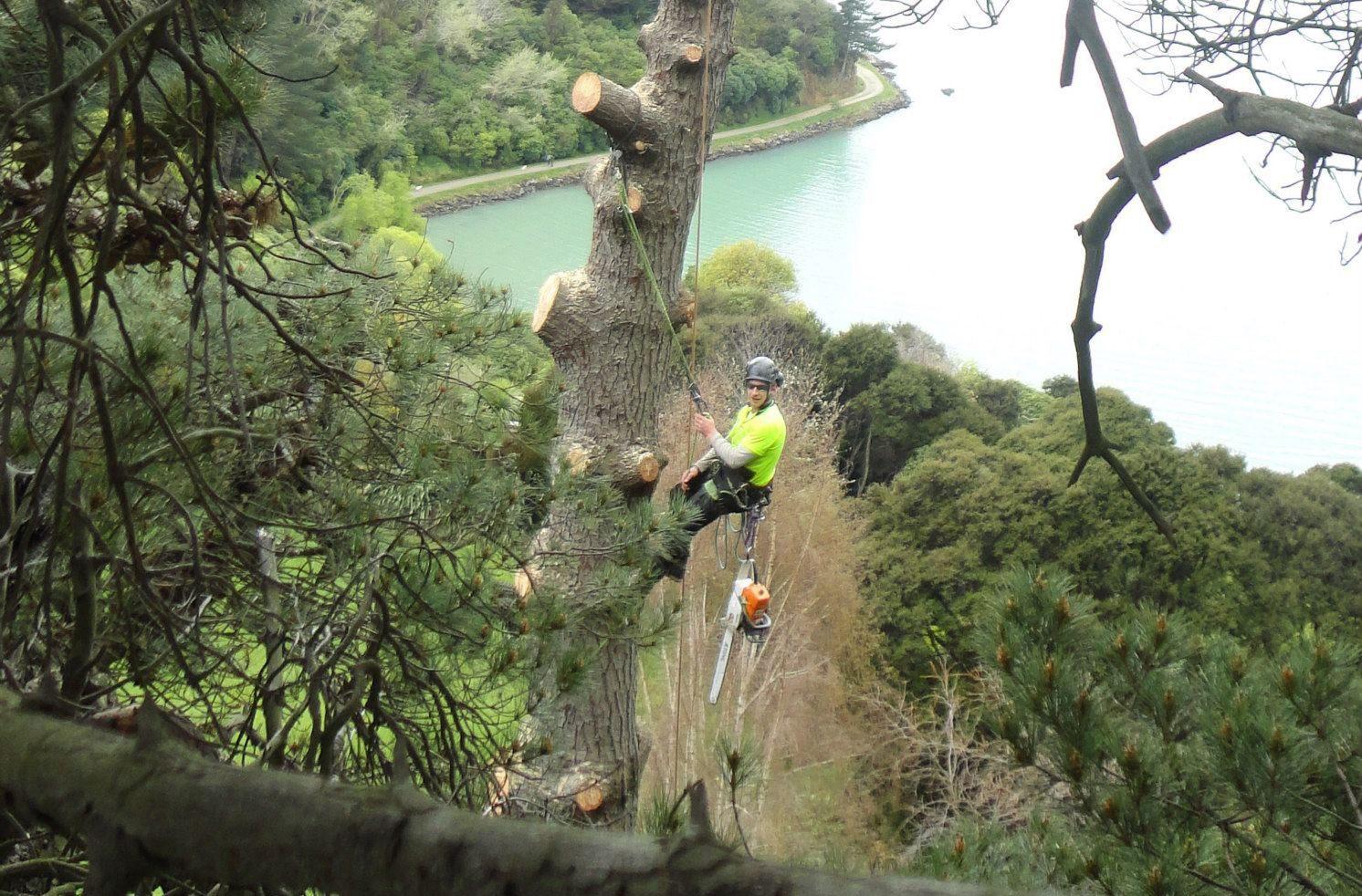
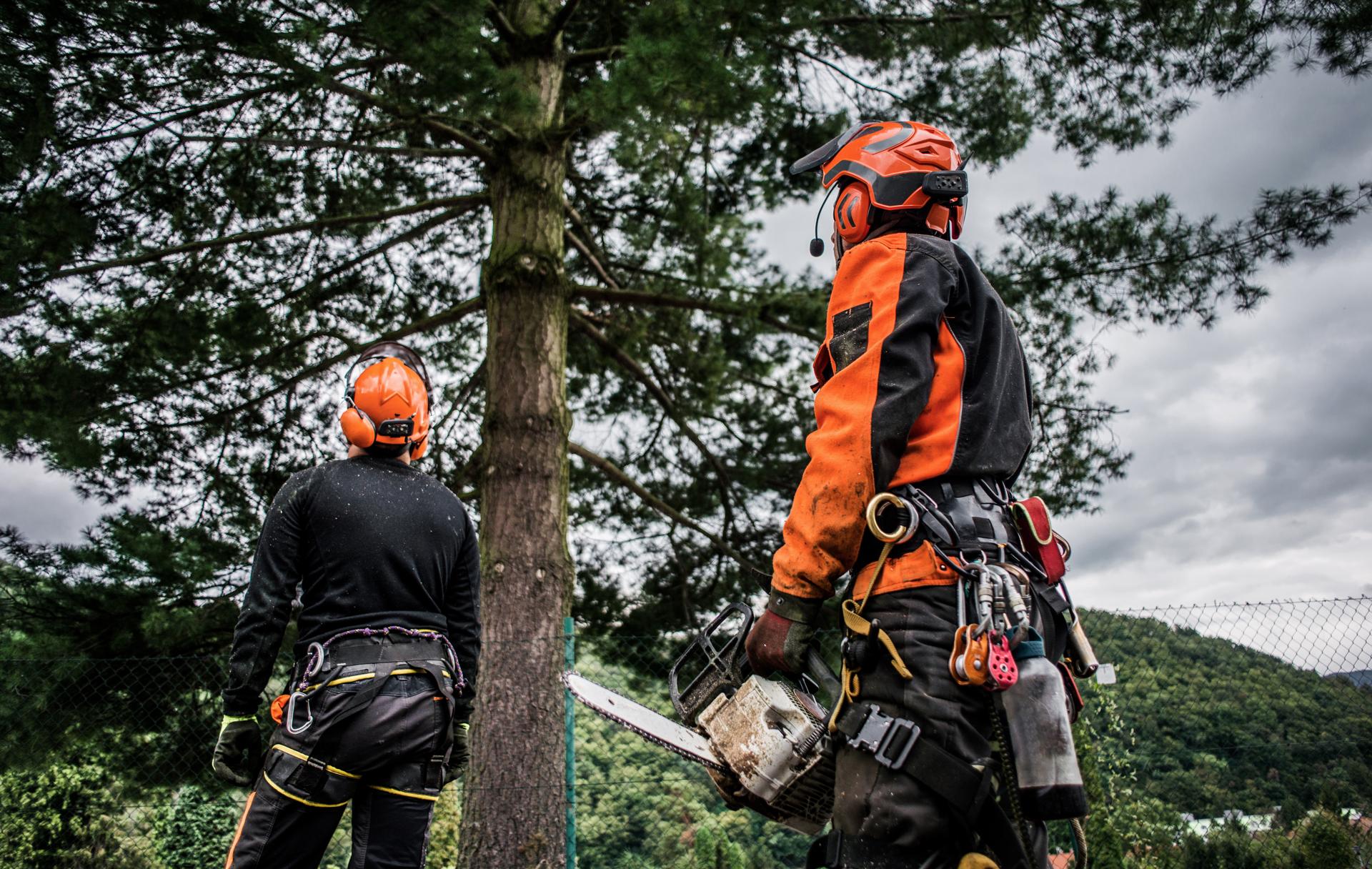
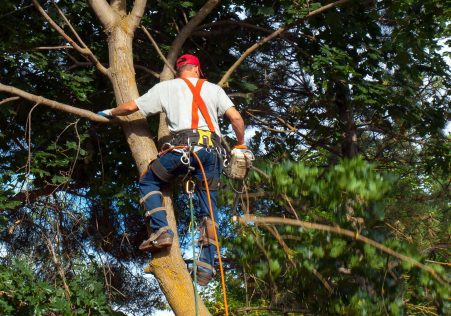
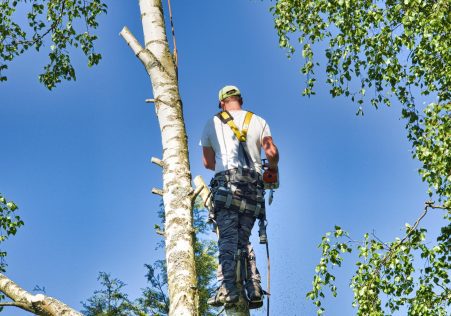
Tree removal is a difficult and possibly dangerous job. It is best to leave the task to professionals to protect yourself and others.
Conclusion
When it comes to tree removal, it’s important to be able to identify the indications that a tree requires to be cut down. When you’re aware of signs of dead or dying trees, diseased trees, tree leaning, and hanging branches, you can take steps to protect your property and those who live around you. If you think that a tree on your property needs to be removed, don’t hesitate to contact Western Sydney Tree Removal for a professional evaluation. Our highly trained arborists are equipped with the knowledge and experience to take care of all your tree removal needs. Don’t risk your safety. If you believe that the tree that is on your property must be removed, call Western Sydney Tree Removal today for a expert assessment. Our arborists are experienced and will provide you with peace of mind which comes from knowing that your property is safe with us. Call us today by dialing 1300 636 143 to schedule an appointment.